Use of high resolution multispectral data in monitoring the health stress for banana plantation
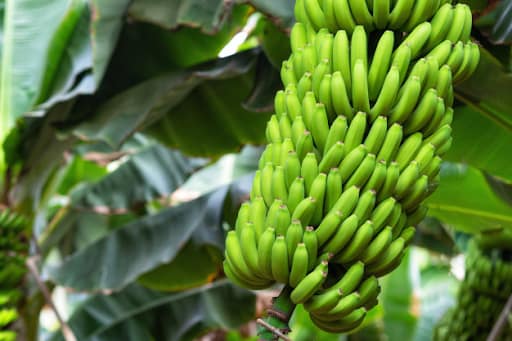
The banana plant, scientifically called Musa paradisiaca, is the world’s largest herbaceous perennial plant. Banana plantations serve as one of the primary fruit sources in India where 30-50% of post harvest losses in banana plantations are due to poor knowledge of techniques on farming as well as storage and distribution. Fusarium wilt (Panama disease) of bananas currently shows a severe threat to banana production in all over the world. In India, farmers of states like Bihar, Gujarat, Madhya Pradesh and Uttar Pradesh have been badly affected by this disease.It is so deadly that it is called banana cancer. Remote sensing plays a key role to provide a dynamic solution in a large cover area which is not possible with lab based or traditional based techniques. Novel and rapid methods for the timely detection of pests and diseases allow us to alleviate the risk as well as timely precautions can be taken by the concerned sources.The early identification of a crop disease can lead to faster interventions with resulting diminished impacts on food supply chains
There has been various research going on deploying ML techniques which includes segmentation, edge-detection, feature extraction and classification using remotely sensed images, drone images.
The multispectral satellite imageries provide high resolution data in order to estimate the different indices. There are several vegetation indices (VIs) related to pigment absorption of the plants and plant growth changes chosen for determining the biophysical and biochemical characteristics of the plants. Examples of such pigments include Normalized Difference Vegetation Index (NDVI), Normalized Difference Red-Edge Index (NDRE), Green Chlorophyll Index (CIgreen ) , Structural Independent Pigment Index (SIPI) , Carotenoid Index (CARI) , Anthocyanin Reflectance Index (ARI) etc.
There are certain pigments in plant leaves that strongly absorb wavelengths of visible (red) light or can reflect certain wavelengths. NDVI is commonly used by the researchers across the world to measure the density of greenness of vegetation. NDRE uses the same mechanism but it is more sensitive than NDVI for a certain period of crop maturation. NDRE is a better illustration of plant conditions than NDVI for middle and late season crops that have already accumulated a large amount of chlorophyll where NDVI fails. SIPI indicates increased canopy stress (carotenoid pigment) which is a major pigment for absorbing light energy and converting it to chemical energy. ARI helps in detecting the stress in the vegetation.
We at Satyukt strive hard to deliver these kinds of solutions to the end clients/farmers by incorporating various satellite imageries into our work. We provide dynamic data driven insights which can help all groups of farmers to (i) reduce upto 5-10% agri-input costs in order to (ii) improve crop productivity by up to 10%, to (iii) improve crop water productivity upto 30%. Through the early warnings of pests/disease attacks, we believe to (iv) minimise the crop losses and to enhance the food security by 10-15% (v) with detection of pest/disease attacks up to 70% accuracy. Furthermore, farmers can save upto 70% of time due to the use of remote monitoring of farms. We have delivered our solutions for one of our Maharashtra’s client farms.


