
Deficit irrigation: It’s time to shift focus from agriculture productivity to water productivity
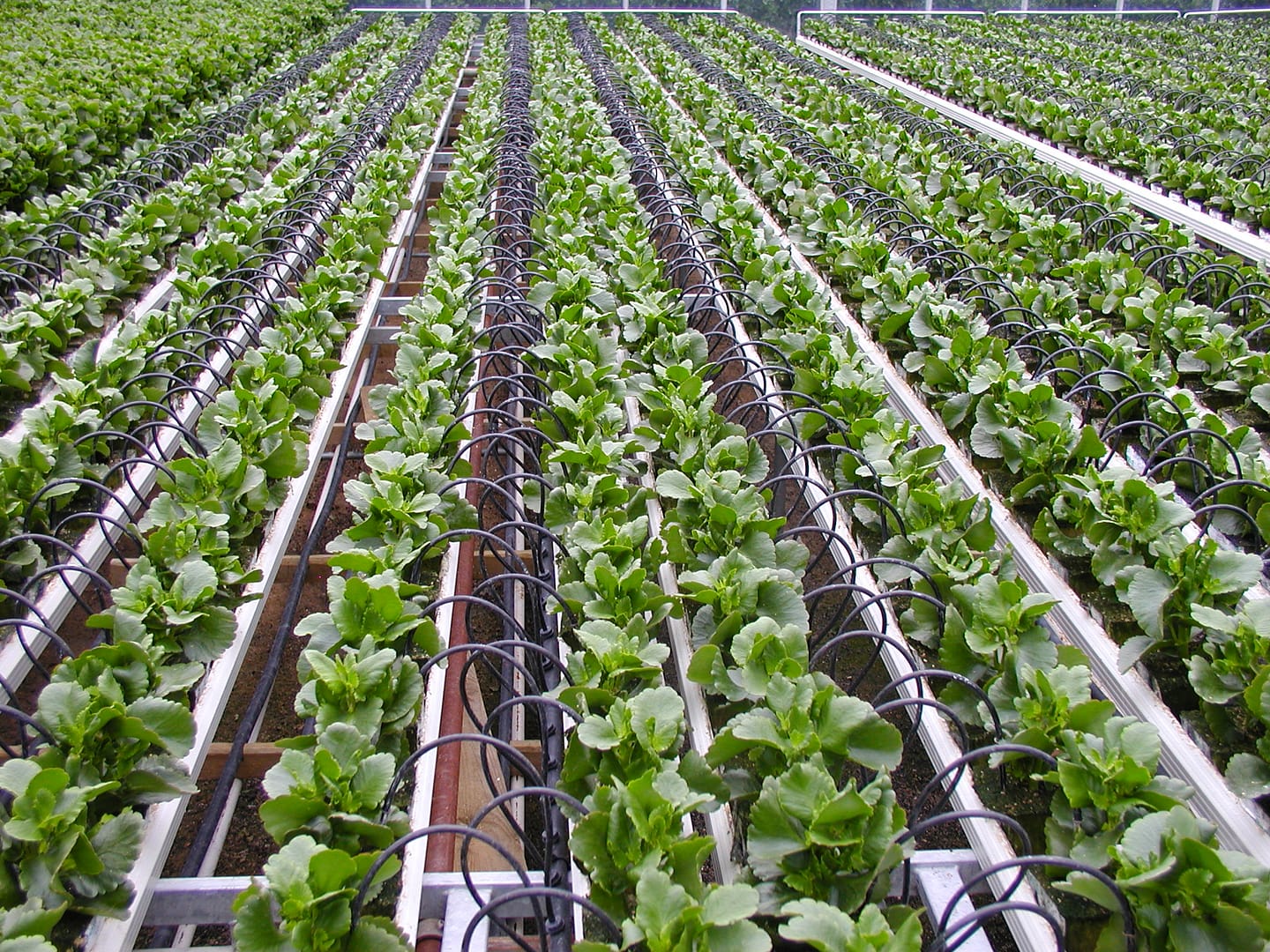
Accounting for about 70 percent of freshwater withdrawal, irrigation is probably the largest use of water globally. Unlike other uses, only half of the water used for irrigation is reusable. The remaining is lost by evaporation, evapotranspiration, or is lost in transit, by a leaking pipe. With an increasingly scarce water supply, irrigation management should shift the focus from maximizing the production per unit area to production per unit of water consumed. Deficit (or regulated deficit) irrigation (DI) is the practice of supplying water required for the crop after reducing the losses due to evapotranspiration. The exact application of DI demands a precise understanding of the yield response to water (crop sensitivity to drought stress). As water is one of the limiting factors for Indian Agriculture, deficit irrigation can be more profitable for a farmer to maximize crop water productivity instead of maximizing the harvest per unit of land. The water saved can be used for different purposes or to irrigate extra units of land.
Evapotranspiration(ET) is cumulative of water lost from the capillary fringe of the groundwater table and the water lost by the plants whose roots meet the capillary fringe. On a barren land or land at the time of sowing, water is predominantly lost due to evaporation, as the crop grows the fraction of evaporation decreases and transpiration increases since the crop canopy covers the ground beneath it. At sowing, nearly 100% of ET comes from evaporation, while at full crop cover more than 90% of ET comes from transpiration. ET is an important component of water and energy balance of climate-soil-vegetation interactions and hence is regarded as vital in water resources management. As evapotranspiration varies spatially and temporally throughout the growth of the crop, spatiotemporal computation of evapotranspiration would be beneficial in practicing deficit irrigation.
Direct computation of actual evapotranspiration is difficult, because of the involvement of a complex set of land-atmosphere interactions that are difficult to be monitored. Soil moisture is an agro-hydrological parameter that varies with land-atmosphere interactions yet will retain the memory of the anomalies happened in past. Soil moisture due to its inherent memory can hence be used in quantifying actual evapotranspiration. Satyukt Analytics Pvt Ltd has developed an innovative algorithm that retrieves high-resolution soil moisture with the help of microwave remote sensing.


